
Research
Welcome to the RP Lab at Loyola University Chicago. We study how long non-coding RNAs (lncRNAs) drive heterogeneity in ER+ breast cancer through their structure and function, and how transient oncogenes and premalignant microenvironments govern the earliest steps of malignant transformation. Our translational research integrates primary patient-derived organoids, mouse models, molecular approaches, and computational biology to connect fundamental discoveries in RNA biology and cancer genetics to novel therapeutic and diagnostic strategies.
— Stanislaw Ulam
Featured
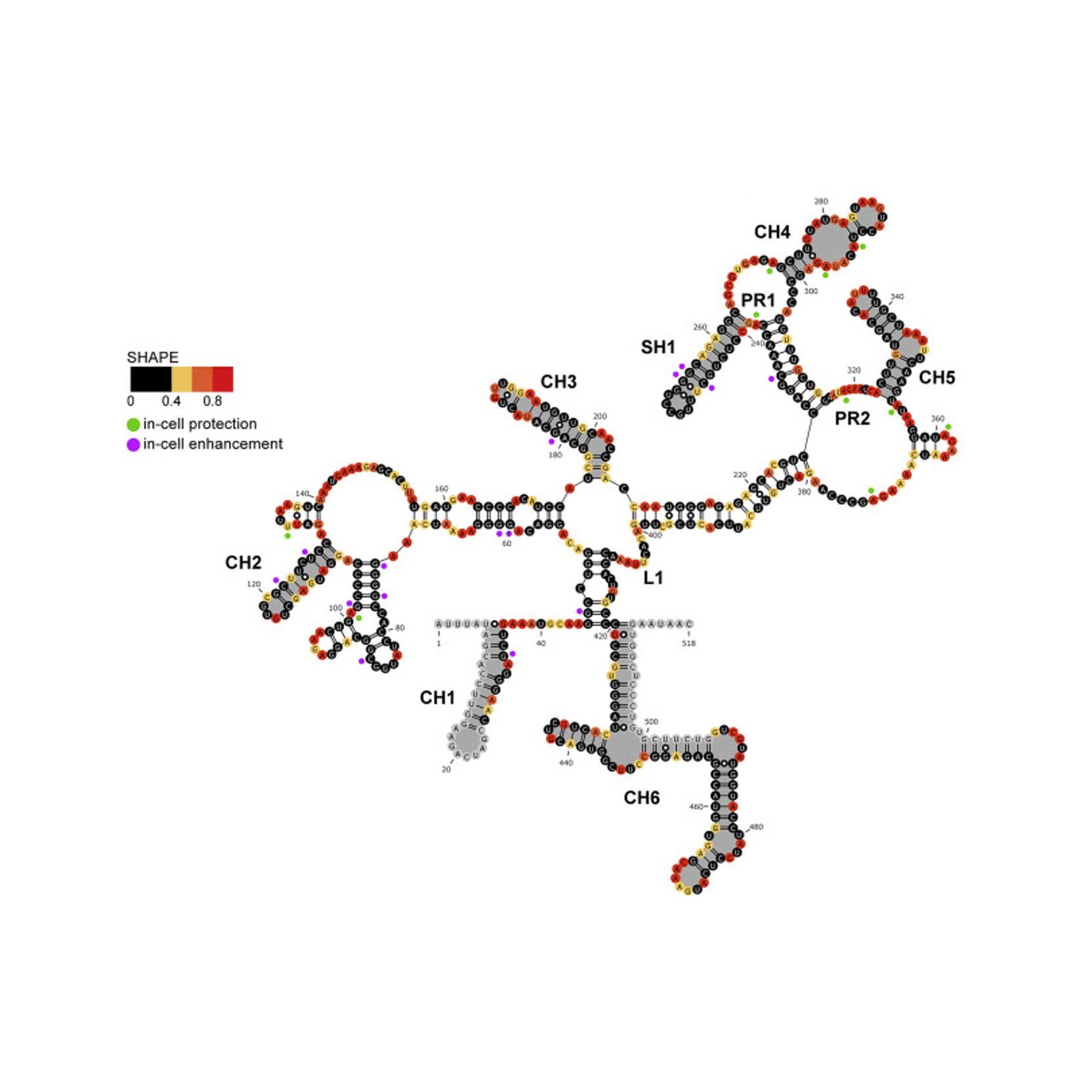
Our understanding of the lncRNA structural organization is extremely limited. By resolving secondary structures of lncRNAs and systematically deleting structural domains, we will test whether discrete, functionally autonomous modules govern their activity and pro-oncogenic phenotypes.
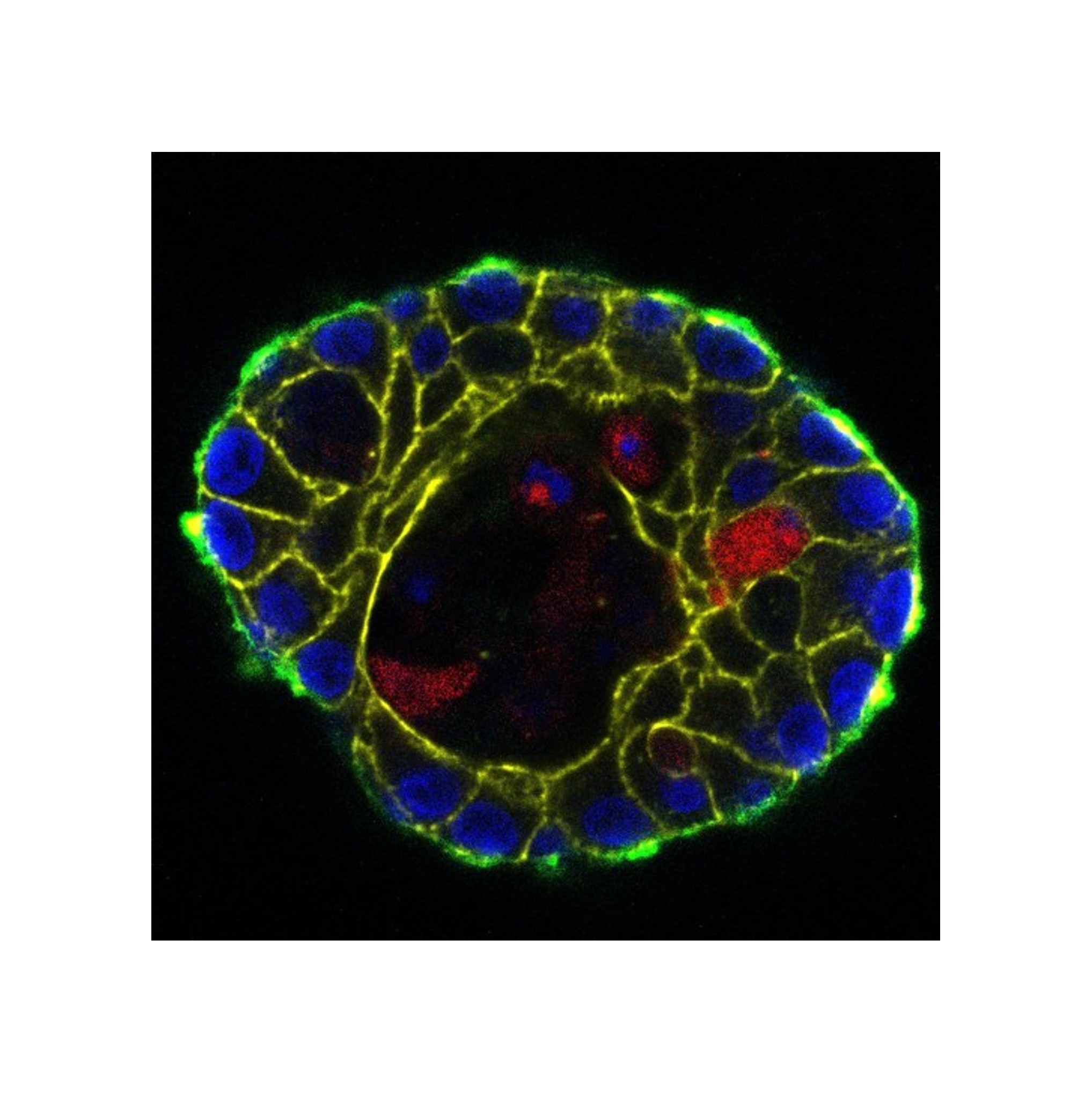
We investigate how rare populations of premalignant cells acquire the ability to survive and initiate breast cancer. By combining human genetics, patient samples, and experimental models, we aim to identify the molecular mechanisms that determine whether DCIS remains indolent or progresses to invasive disease.
More
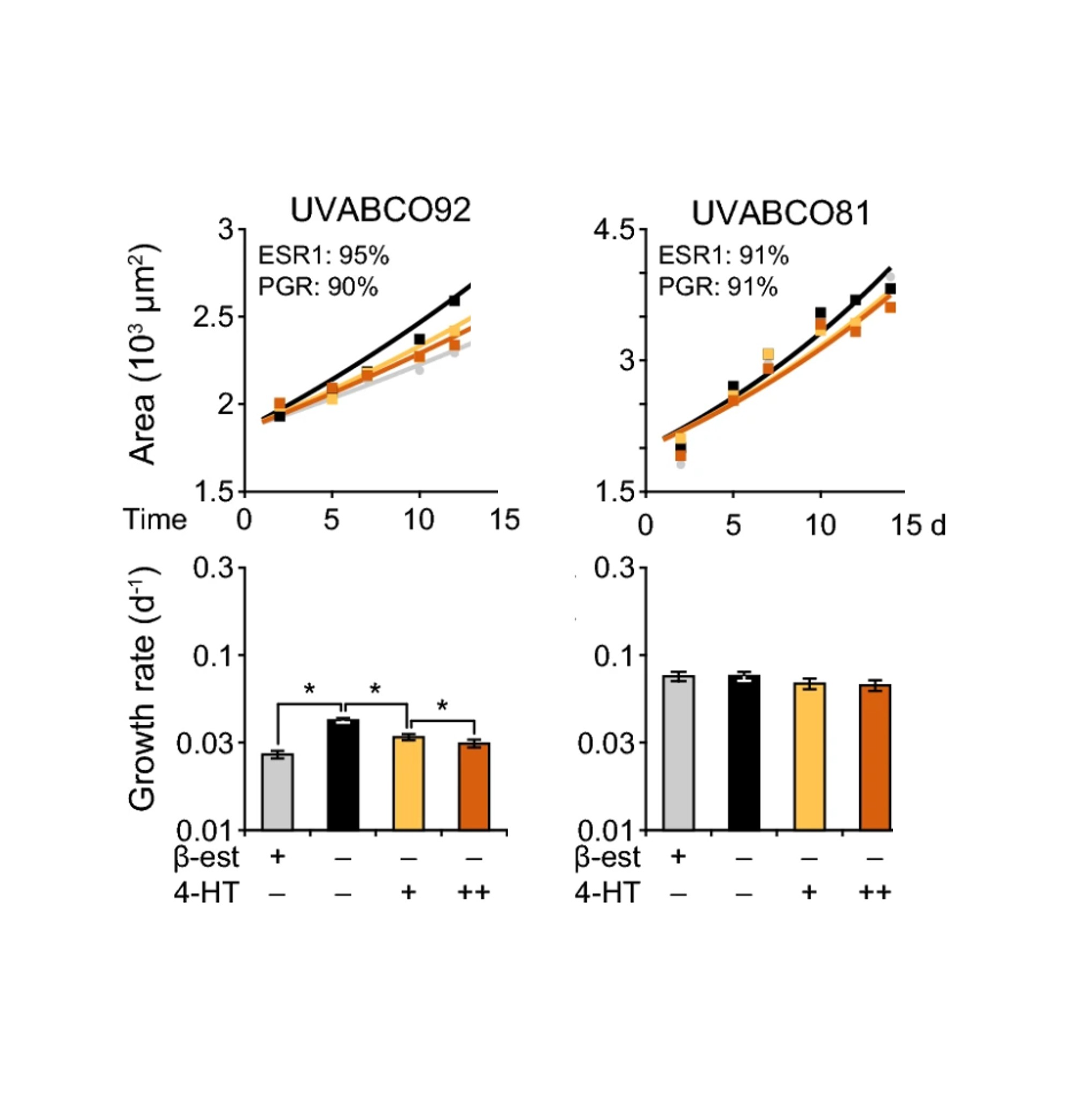
To accurately capture tumor state within patient samples, we developed a zero-passage approach to primary patient-derived breast cancer organoids. This new system directly benefits basic science and has the potential to guide the choice of individualized therapeutics in the clinic.
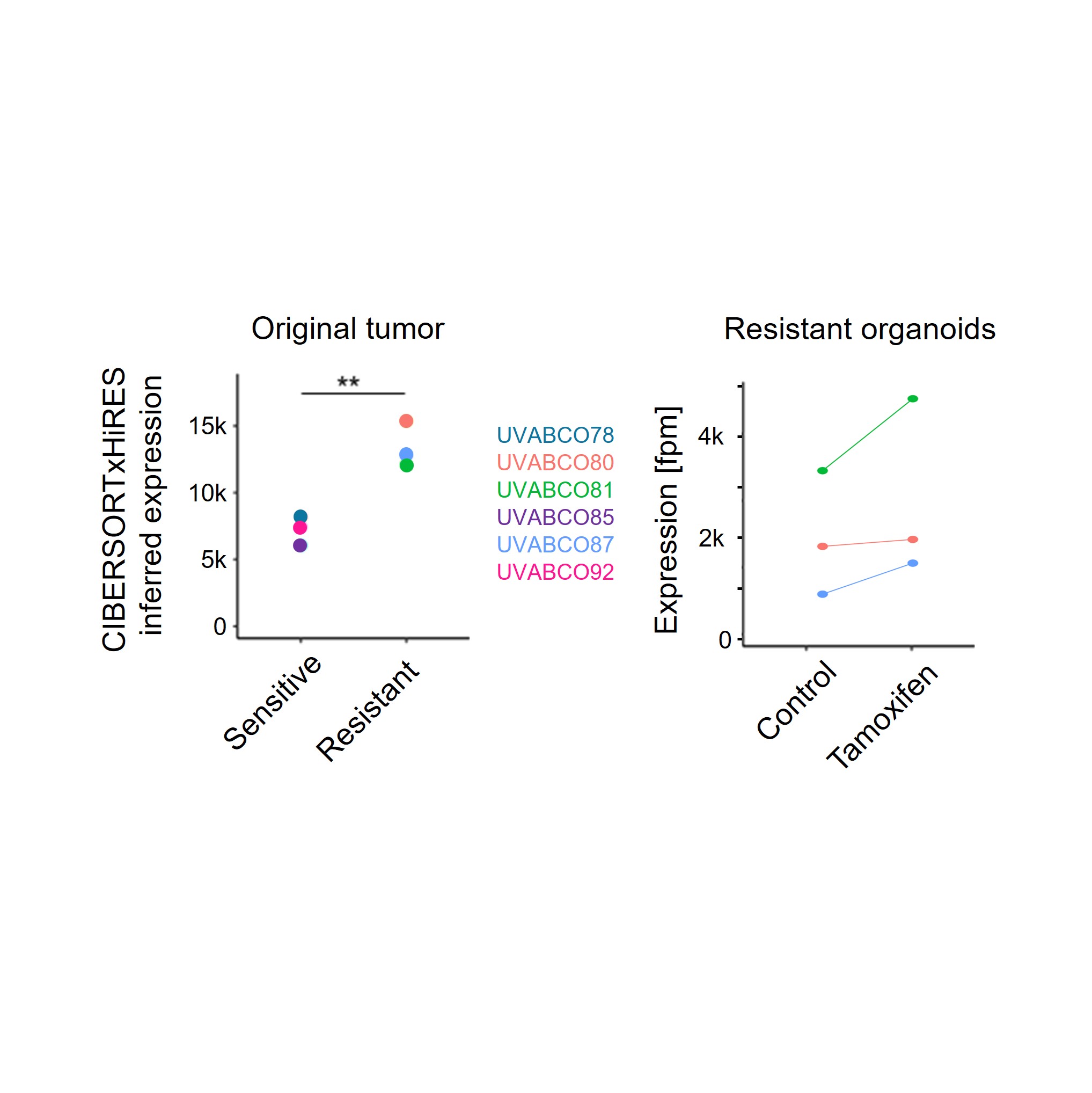
While tamoxifen is effective in treating ER+ breast cancer, resistance, either intrinsic or acquired, remains a major clinical challenge. We aim to identify lncRNAs crucial for tamoxifen-resistance development that will lead to new RNA therapeutics.
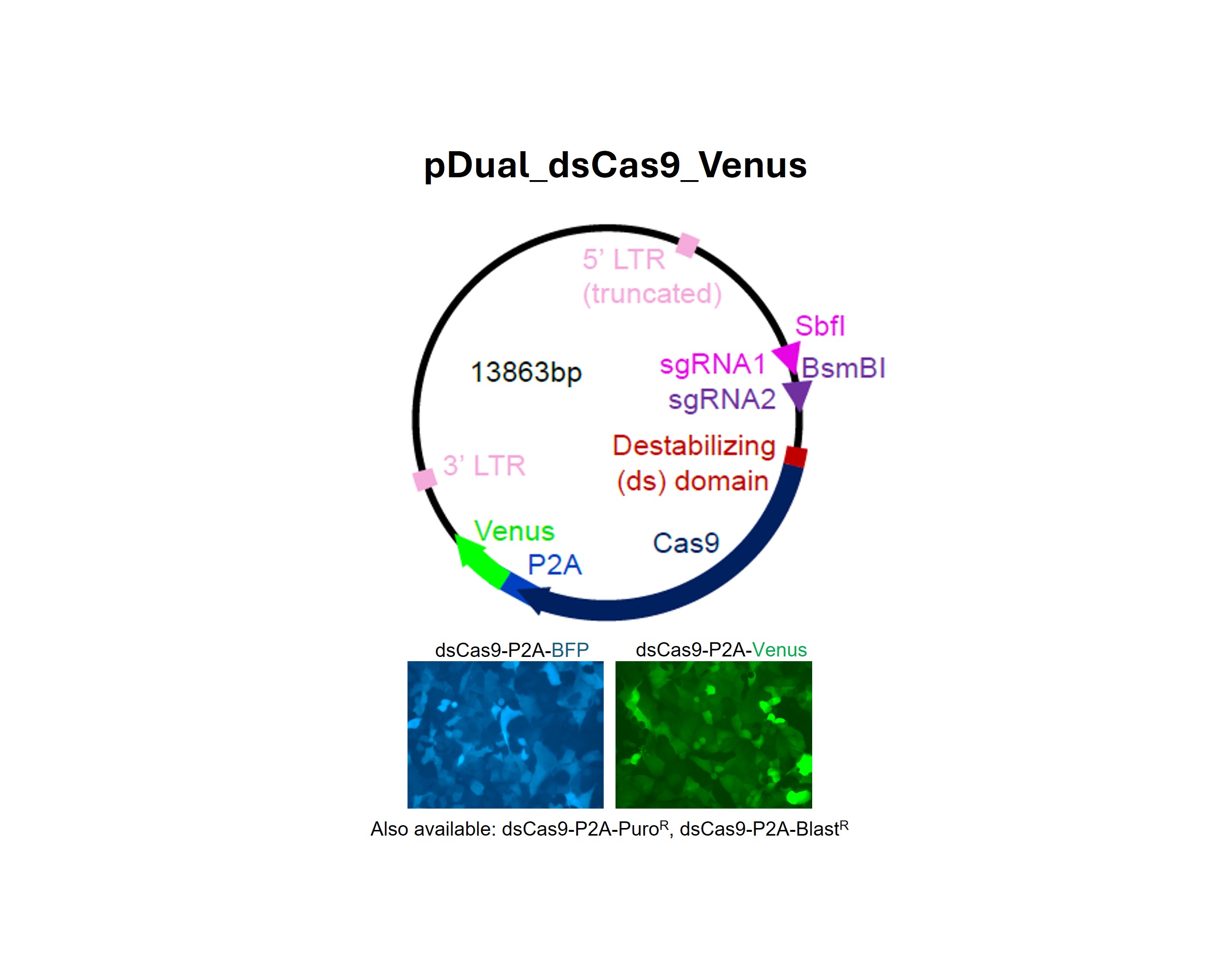
We designed a set of lentiviral vectors for efficient multi-sgRNA delivery to achieve maximum knockout probability in cell lines and primary patient-derived and murine organoids. To minimize off-target effects and p53 activation, Cas9 is destabilized, reducing its activity outside of the editing window.